
2025-10-09
With advancements in industrial technology and evolving design concepts, the application of epoxy flooring has transcended traditional functionality and gradually moved towards aesthetics and innovation. The following design trends are transforming factory floors, enhancing both their functionality and visual appeal.
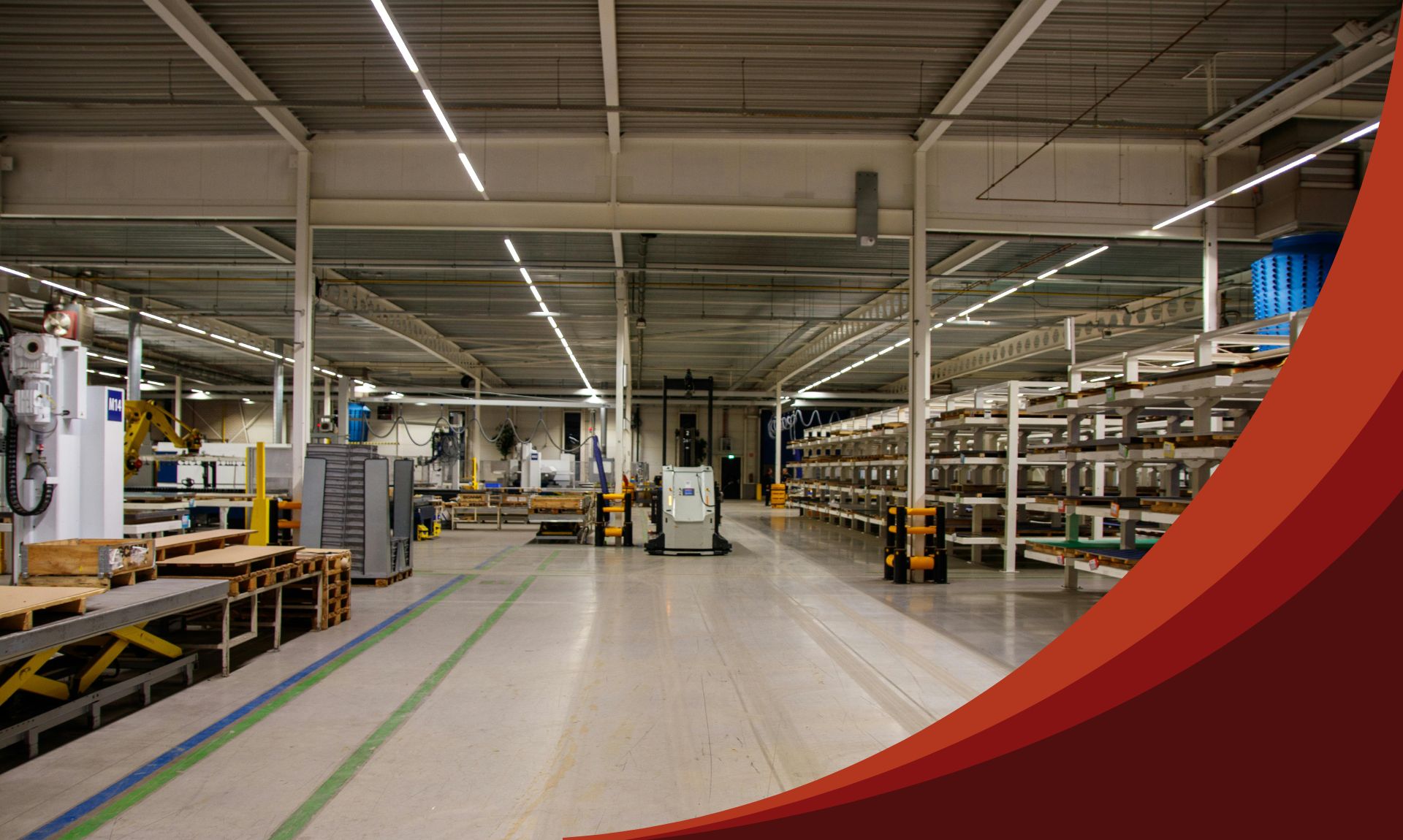
First, the diversification of colors and patterns has become a significant trend. Today’s epoxy flooring is no longer limited to a single color; instead, it can be customized to reflect a company’s brand image or design philosophy. Many factories choose to use different colors to delineate work areas, which not only enhances aesthetics but also improves work efficiency and safety.
Secondly, the application of texture effects is gaining increasing attention. By employing various construction techniques, epoxy can mimic textures such as marble, concrete, or wood, adding visual depth and quality to the flooring. Such designs not only enhance the overall beauty of the factory environment but can also provide good anti-slip properties, ensuring workplace safety.
Moreover, the trend toward environmental sustainability is becoming more prominent. As environmental awareness increases, many factories are opting for low volatile organic compound (VOC) epoxy resins to reduce their impact on the environment and worker health. Additionally, choosing recyclable materials and green construction methods can make the construction process more sustainable, aligning with modern corporate social responsibility.
Finally, the application of smart technology is gradually entering the design of epoxy flooring. For example, floors equipped with sensor technology can monitor usage conditions and provide real-time data for management and maintenance. These smart materials can enhance operational efficiency and lay the groundwork for future automated production.
In summary, innovative trends in epoxy flooring design not only enhance aesthetics but also strengthen functionality and safety, providing new possibilities for the modernization of factory environments. By implementing these design concepts, factories can create efficient workspaces while showcasing their brand image and social responsibility.